Dashboards
Product
UX/UI

About the project
Role
UX/ Product Designer
Client
Collins Aerospace
Team
Product Manager Engineers UX Designers
Timeline
6 Weeks
Stack
Figma Miro Rotor Design System
Year
2022
The Problem
Maintenance teams relied on 5–7 disconnected legacy tools, forcing engineers to manually reconcile data during high-pressure AOG events. Time was lost interpreting data instead of resolving failures.
My Focus
Enhance an already designed intelligence system to reduce cognitive load at the moment of decision - prioritizing clarity, confidence, and speed over data volume.
Key Decisions
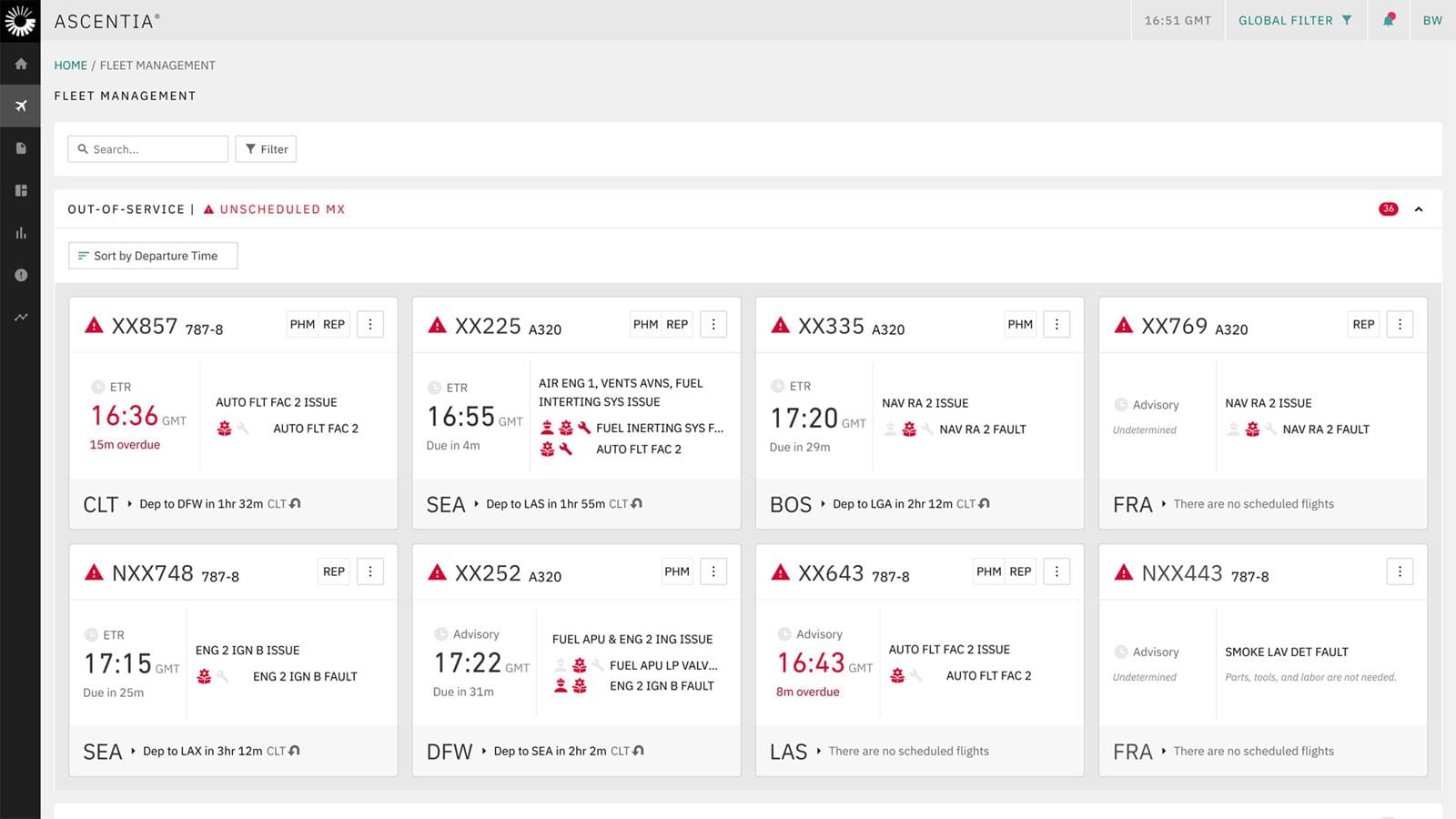
Unified fragmented data into role-based, task-specific workflows
Prioritized signal strength over data completeness
Standardized interaction patterns to scale across multiple tools
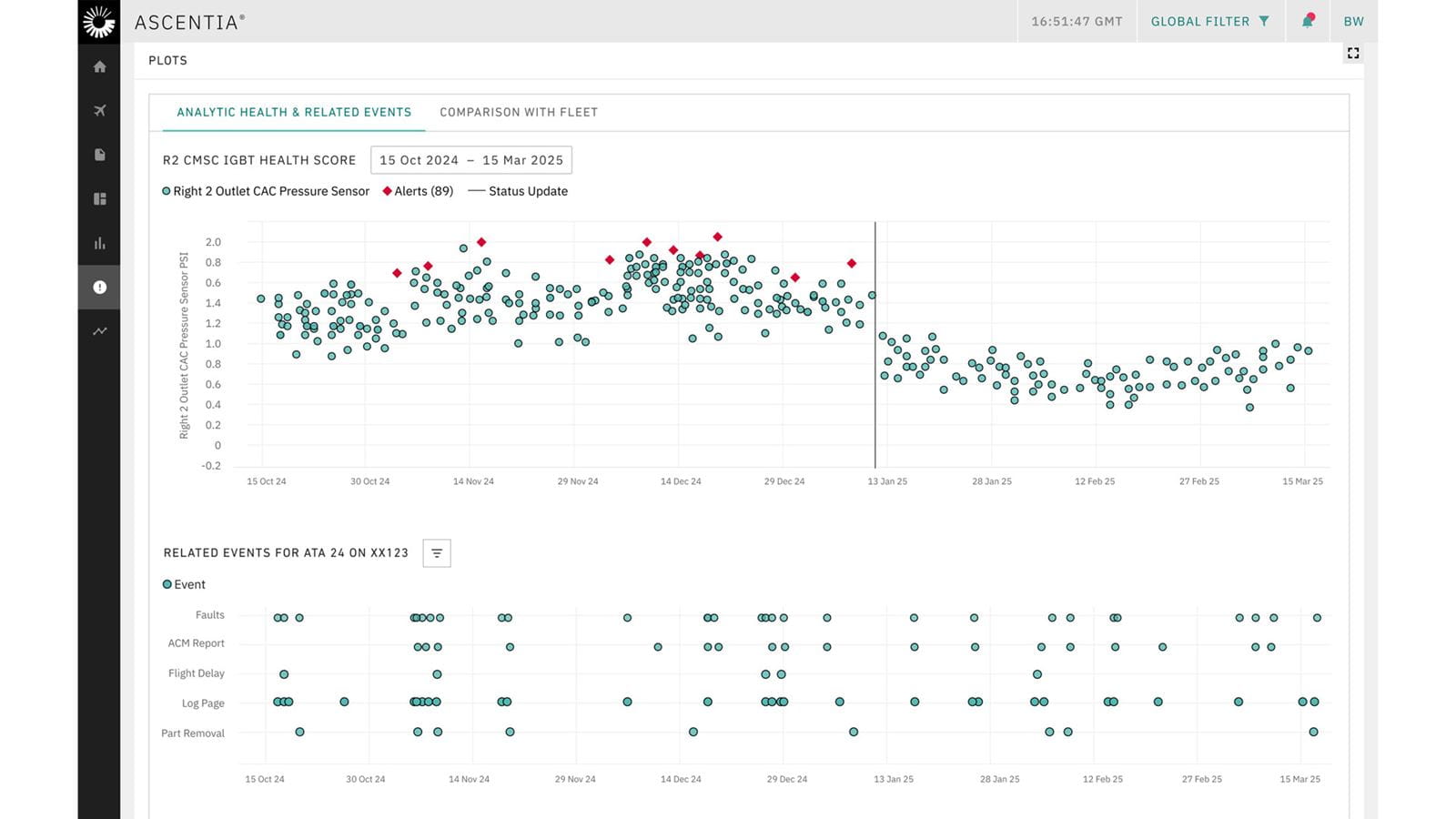
Designed explainable predictive insights to build trust
The System
A modular but consistent suite including:
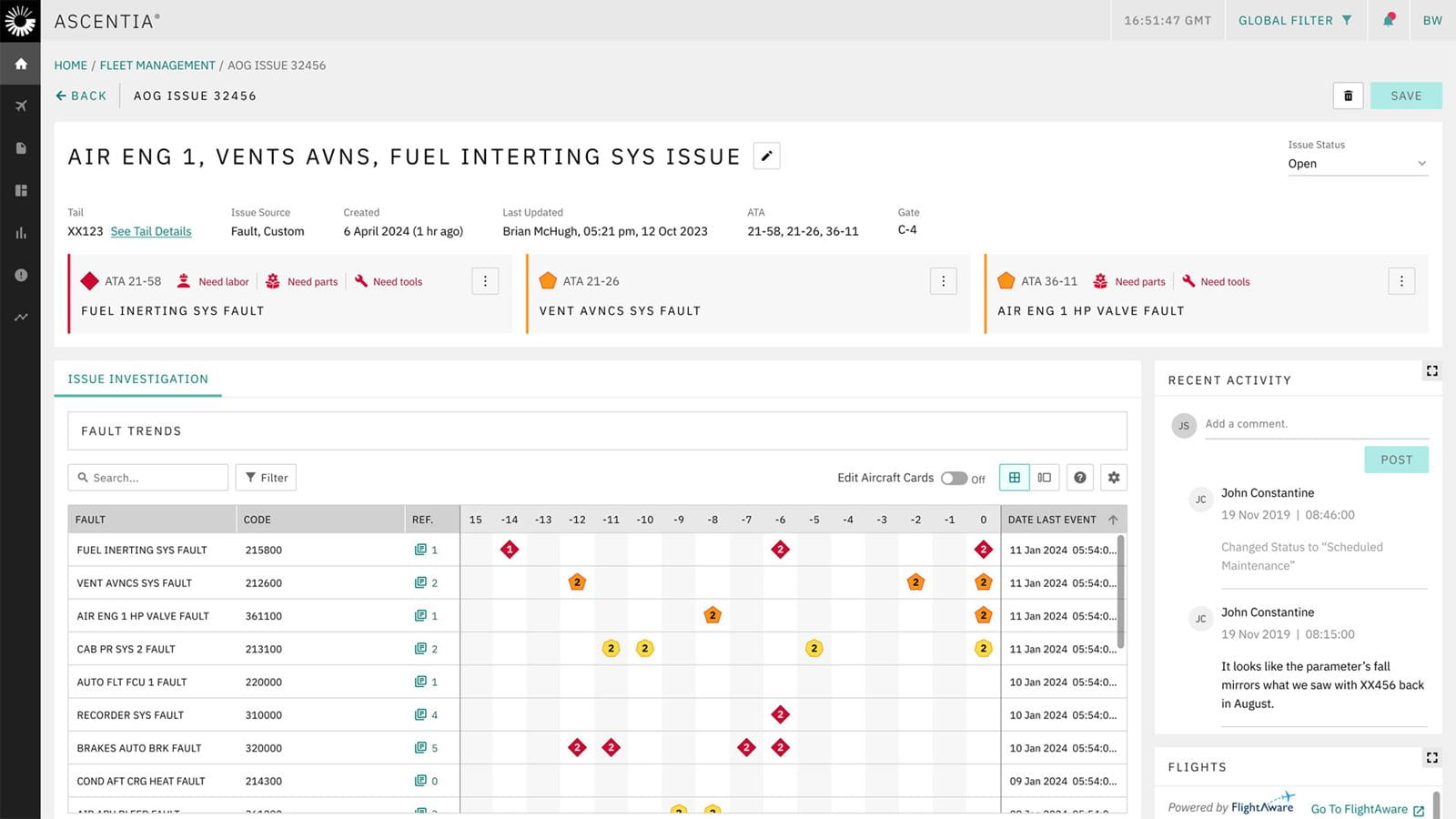
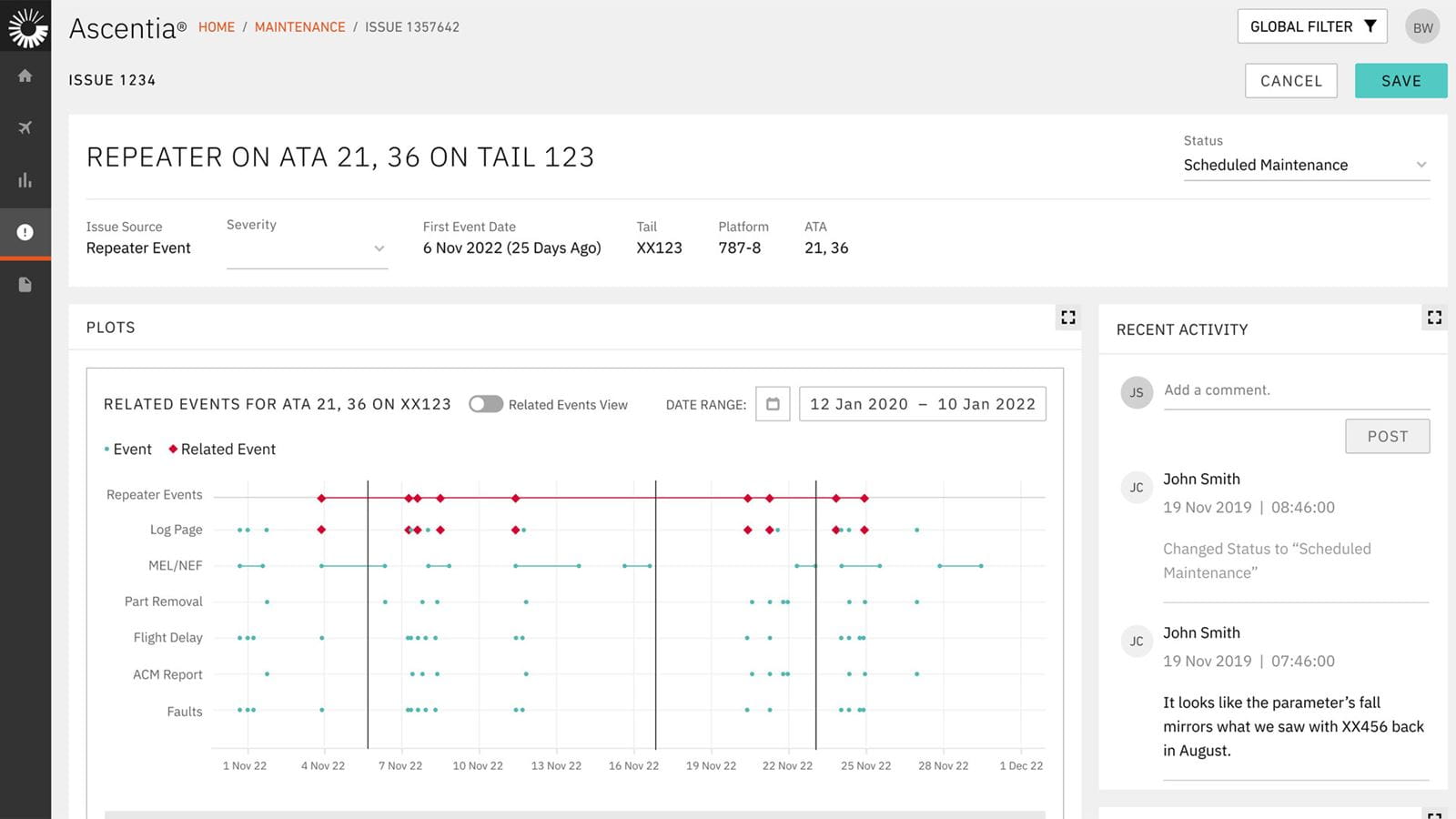
Repeaters - recurring fault patterns
AOG & AHM - rapid root-cause resolution
PHM - predictive health insights
FlightSense® & Portals - unified access layer
Impact
↓ AOG events: up to 30%
↓ troubleshooting time: 40-50%
↓ return-to-service time: ~25%
Teams reported faster decisions, higher confidence, and reduced manual cross-checking.
Why This Matters
This project demonstrates my approach to complex, data-heavy systems: grounding design decisions in real operational constraints and scaling clarity across products.
Visuals