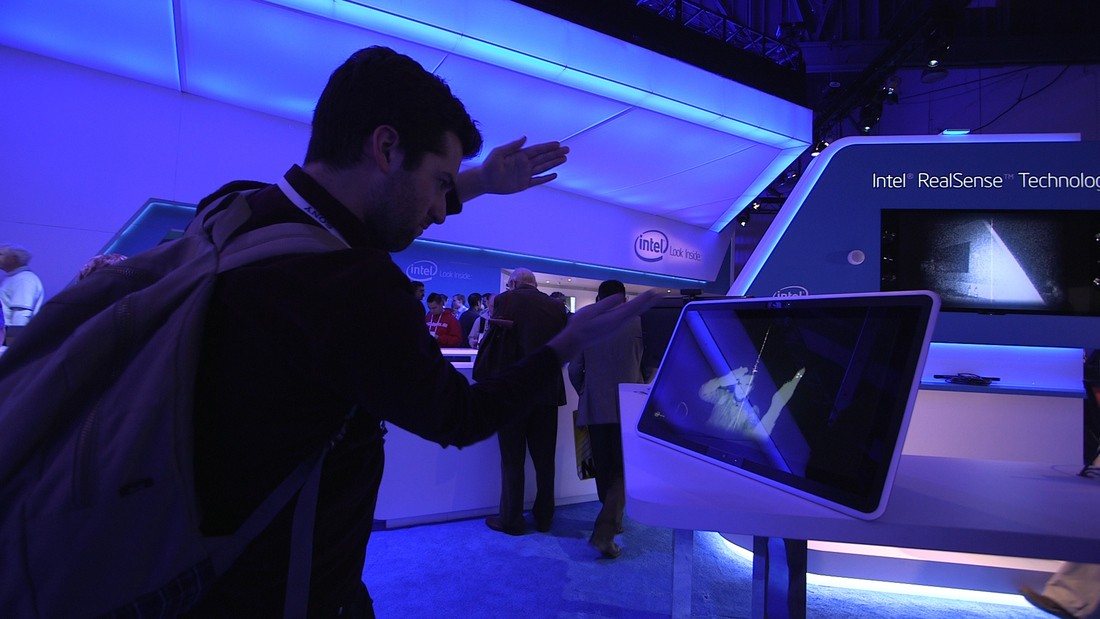
Hype vs. Hand-Waves
Gesture-based interfaces sound like sci-fi gold : swipe the air, pinch to zoom, wave away notifications. In theory, they're the future of effortless UX. In reality? They're a glitchy work-in-progress, battling false positives and fat thumbs, but 2026 predictions point to smarter, niche dominance.
The Cold, Hard Realities Today
Gestures shine in controlled demos but flop in the wild. False activations plague them: that casual itch-scratch triggers your smart lights, or a driver's wild hand-wave slams the brakes. Accuracy dips in dim rooms, crowded spaces, or with diverse skin tones - vision systems struggle with real-world noise like varying lighting or backgrounds.
Hardware demands are brutal: High-res sensors and edge AI jack up costs, locking out budget devices. Users face a learning curve—intuitive for gamers, baffling for grandma - plus fatigue from constant flailing. Privacy? Always-on cameras tracking your every twitch scream data nightmare.
Current wins exist: Smartphones nail basic swipes (back navigation, pinch-zoom), and AR/VR like Quest headsets handle air-grabs decently. But scalability lags - no seamless ecosystem across phone-to-fridge yet.
2026 Predictions: Incremental Magic, Not Revolution
Expect evolution, not explosion. Market reports forecast gesture tech growing 25-30% yearly, hitting $20B+ by decade's end, driven by XR and automotive. AI breakthroughs - deep learning for context-aware recognition - will cut false positives by 50%, adapting to your habits (e.g., "that wave means coffee, not chaos").
Multimodal hybrids rule: Gestures + voice + eye-tracking for robust fallback. Edge computing slashes latency to <50ms, enabling real-time in cars or wearables. Accessibility leaps—biometric tweaks aid motor impairments - but cultural mismatches persist (thumbs-up means "OK" in West, offensive elsewhere).
Niche booms:
Automotive: Pinch for nav, wave for AC - safer than touchscreens.
Healthcare: Contactless surgeon controls or rehab tracking.
Retail AR: Air-try clothes before buying.
Mass adoption? 20-30% of premium devices by 2026, per trends : not ubiquity.
Challenges Designers Must Crush
Discoverability: No buttons = no hints. Fix: Progressive hints, haptic nudges.
Interoperability: Standardize gestures across platforms (good luck herding Apple/Google).
Ethics: Local processing for privacy; opt-in only.
Bottom Line
Gestures aren't dethroning screens, they're the quirky sidekick. By 2026, expect polished pockets of brilliance amid ongoing oopsies. Prototype ruthlessly, test in messy realities, and blend with voice for the win. The hand-wave future is real, just don't drop the ball.