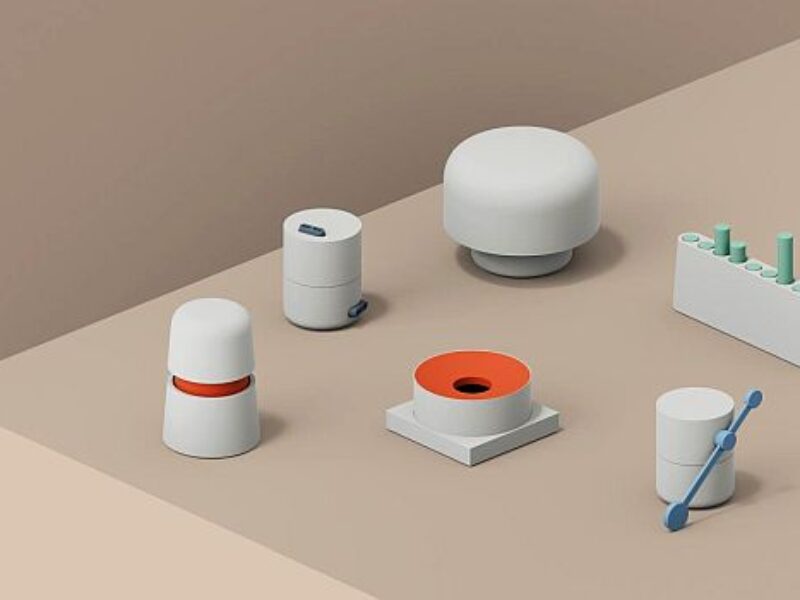
Ambient Computing in UX: Designing the Invisible Future
Ambient computing transforms user experience by weaving intelligent technology into everyday environments, creating seamless interactions that feel intuitive and effortless. UX designers now shape experiences for interconnected devices—from smart fridges to voice assistants—that anticipate needs without demanding screens or explicit commands, making technology truly fade into the background.
Core Concepts of Ambient UX
At its heart, ambient computing blends hardware, software, and human-machine learning into a cohesive network. Everyday objects gain computational smarts, extending beyond traditional desktops to respond to context like motion, voice, or routines. This eliminates the need for deliberate operation; instead, devices become helpful extensions of daily life.
Tools like IFTTT exemplify this by connecting apps and gadgets—imagine porch lights activating automatically when your delivery arrives. The result? A shift from early computing's "operator" era to intuitive, always-on intelligence that enhances routines without intrusion.
Ambient vs. IoT: A Design Perspective
While IoT focuses on industrial data collection for process optimization, ambient computing prioritizes consumer environments where tech operates unobtrusively. UX design bridges this gap by ensuring device cohesion: lights sync with your phone's location, thermostats learn preferences without app silos.
This demands continuity to prevent disruptions—poor integration turns promising ecosystems into frustrating fragments, while fluid communication delivers the promised efficiency.
Real-World Examples Sparking Innovation
Envision stepping into a smart home: lights flicker on, coffee brews perfectly, your fridge alerts low groceries, and a gentle alarm gradually brightens the room for wakeup. Wearables like Fitbit or Apple Watch, assistants like Amazon Alexa or Google Home, and even store motion doors showcase this—computing happens invisibly as you move through space.
These moments challenge designers to blend novelty with familiarity, such as thermostats that mimic manual dials before adapting over time, easing adoption for all users.
Essential UX Principles for Ambient Worlds
Successful ambient design rests on three pillars. First, familiarity: Smart bulbs or switches retain conventional forms and operations, layering intelligence subtly to welcome non-tech-savvy users. Second, human-centric control: Even invisible interactions need easy overrides—a thermostat ignoring manual tweaks erodes trust, so prioritize user agency.
Third, cohesive continuity: Devices must harmonize across ecosystems, not operate in isolation. By focusing on these, designers craft minutiae that make technology functional, delightful, and truly seamless.
AI's Transformative Role
AI powers the predictive magic, using machine learning and natural language processing to fuse sensor data and routines for proactive responses. Amazon Alexa's "Hunches" detect anomalies like open doors and automate 90% of routines hands-free across multiple devices. Google Nest learns habits to suggest "Goodnight" modes and optimize energy with rich visuals. Apple HomeKit delivers adaptive lighting synced to motion or Siri, ensuring fluid multi-room control.
These examples highlight AI's evolution from assistants to full ambient ecosystems, personalizing experiences while safeguarding privacy and oversight.
A Call for UX Innovators
Ambient computing opens a thrilling frontier for designers: reimagining patterns for mini-computers in objects, prioritizing intuitive execution, and championing human-centric approaches. This is your chance to shape a future where technology enhances life subtly—turning once-magical concepts like voice-checking your home camera from afar into reliable reality. Dive in, prototype boldly, and lead the invisible revolution.