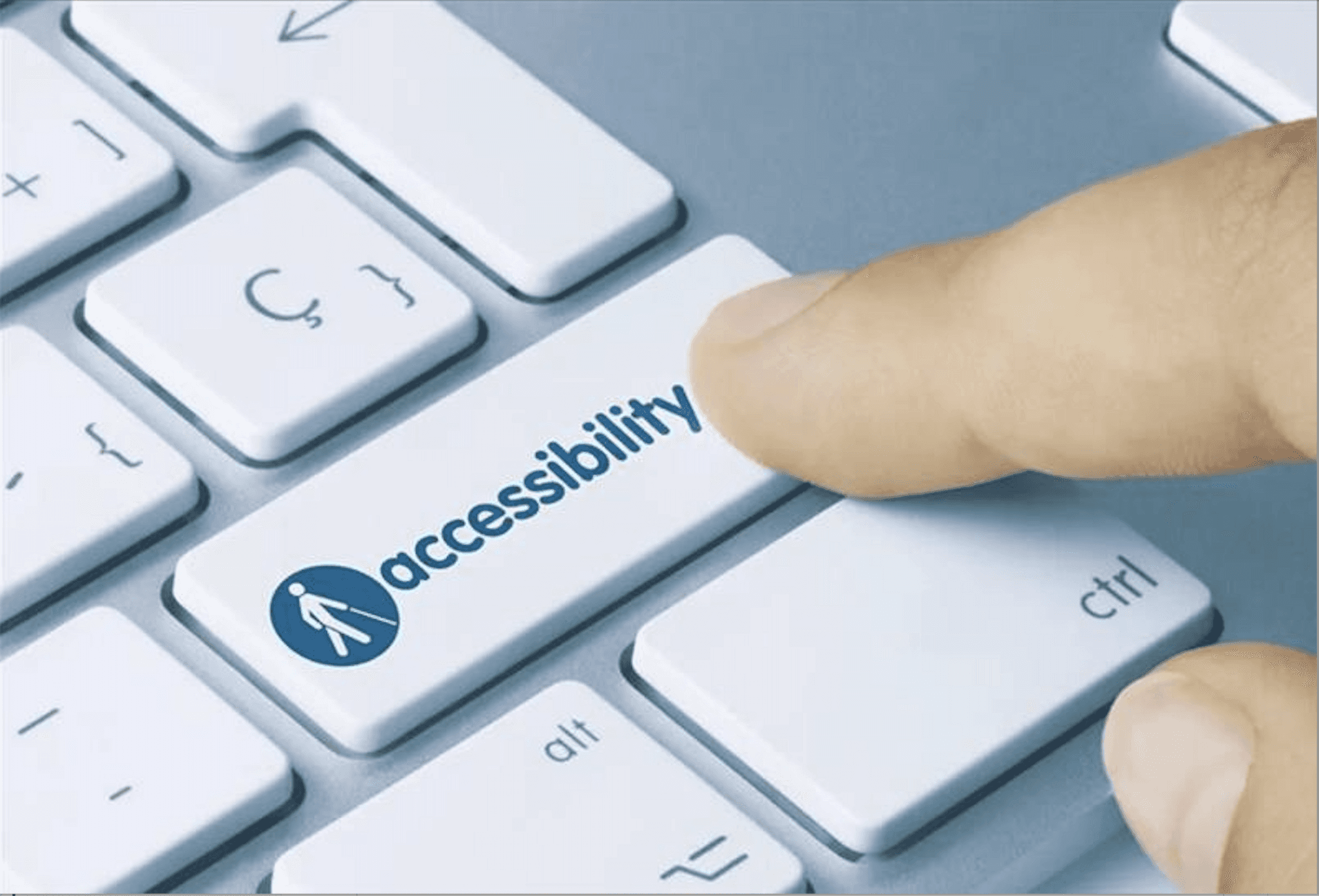
Accessibility in UX design ensures digital products work for everyone, including the 63 million Indians with disabilities, by following standards like WCAG 2.1. Despite legal mandates under the RPwD Act 2016, many Indian firms prioritize speed and cost over inclusive design, leaving millions excluded from apps, websites, and services.
What Accessibility Means in Modern UX
True UX accessibility goes beyond ramps for physical spaces—it's about perceivable, operable, understandable, and robust interfaces. Features like alt text for images, keyboard navigation, screen reader compatibility, and sufficient color contrast make content usable for visually impaired, motor-challenged, or cognitively diverse users.
In India, where smartphones drive 70%+ of internet access, poor mobile UX locks out low-vision users from banking apps or e-commerce. This isn't optional; it's a human right amplified by laws requiring WCAG compliance for public and private digital platforms.
Indian Companies' Compliance Crisis
Over 91% of Indian finance websites fail basic accessibility standards, with 97% lacking proper headings and 71% missing Level A basics like image descriptions. A CCPD audit fined 155 establishments—including ministries and firms like Tata Digital—Rs 10,000 each for non-compliance, yet only 20 appointed access auditors.
E-commerce fares worse: Just 2% meet WCAG 2.1 AA, per a CIS report, blocking disabled users from shopping or services. RBI data shows only 15% of banks fully comply, exposing a sector serving millions to lawsuits and reputational damage. Complaints via the Sugamya Bharat app hit 1,441 since 2021, with 75% resolved—but this highlights systemic neglect in private apps.
Root Causes of Ignoring Accessibility
Cost and Timeline Pressures: Start-ups and agencies cut corners, viewing audits as "extras" despite tools like WAVE or Axe making compliance feasible early.
Lack of Awareness: Developers prioritize aesthetics over audits; only 6 of 155 fined entities submitted reports.
Weak Enforcement: Fines are minimal (Rs 10k), and state-level logistics slow resolutions, emboldening non-compliance.
Talent Gap: Few UX pros trained in inclusive design, unlike global peers at Google or Microsoft.
This short-sightedness alienates 2-15% of users, shrinks markets, and invites RPwD penalties or global client backlash.
Real Impacts and Missed Opportunities
Imagine a visually impaired user unable to check bank balances or book tickets—daily barriers that fuel exclusion. Companies lose loyalty, face boycotts, and miss Digital India's inclusivity push.
Leaders like BarrierBreak prove change is possible: Their reports spotlight fixes, while firms partnering on IS-17802 standards thrive. Progressive companies invest in audits, yielding 20-30% broader reach and SEO boosts from semantic HTML.
Path Forward for Indian UX
Mandate accessibility in design sprints: Start with WCAG audits, use AI tools for auto-fixes, and train teams via IIT courses. Governments must hike fines and streamline CCPD processes. For UX pros, embed it in portfolios—build accessible prototypes to stand out.
Ignoring accessibility isn't just lazy design; it's a business and ethical failure. Indian companies must prioritize it now to unlock equitable, innovative UX for all.